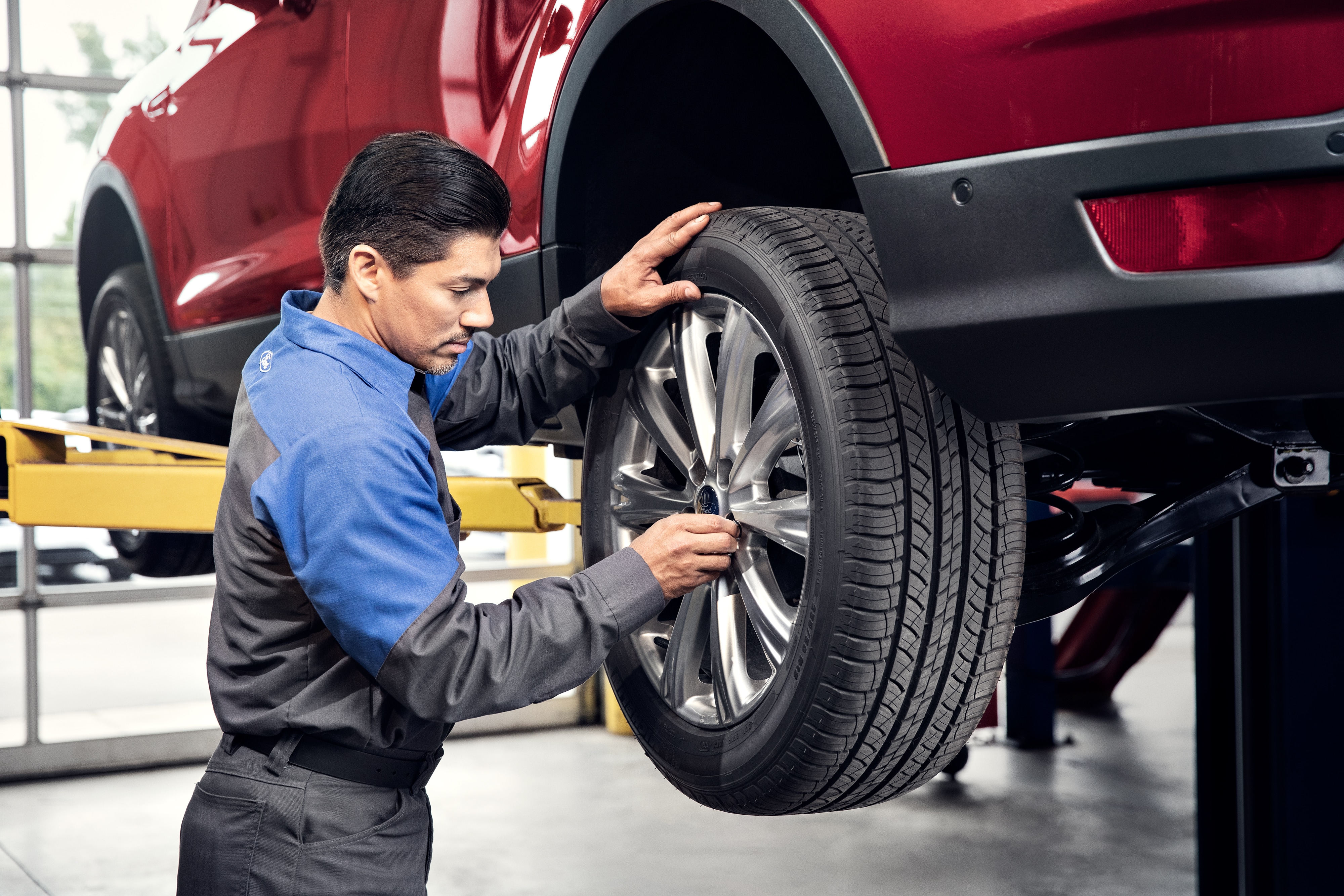
As the seasons change and cold weather approaches, drivers need to prepare their vehicles for challenging road conditions. One of the most important decisions you'll make is knowing when to switch to winter tires. Understanding when to make this change can significantly impact your safety and driving experience during the colder months.
Understanding the Temperature Threshold
Many drivers mistakenly believe that winter tires are only necessary when snow covers the roads. However, temperature plays a crucial role in tire performance, one that is often overlooked. Winter tires are designed to perform optimally when temperatures consistently drop 45 degrees Fahrenheit below. At this point, the rubber compound in standard tires begins to harden, reducing traction and grip on the road.
In Sioux Falls, temperatures typically begin falling below this threshold in late October or early November. Winter tire rubber remains flexible in cold conditions, providing better contact with the road surface and improved stopping distances. This flexibility makes a significant difference whether you're driving on dry, wet, or icy pavement.
Evaluating Your Tread for Winter Readiness
Before winter arrives, it's essential to inspect your tire tread depth carefully. Winter tires feature deeper tread patterns and specialized grooves designed to channel snow, slush, and water away from the contact patch. For optimal winter performance, your tires should have at least 6/32 of an inch of tread depth.
Drivers in Sioux Falls, SD, face unique challenges with rapidly changing weather conditions that demand reliable traction. The tread design on winter tires includes biting edges and sipes that grip snow and ice more effectively than standard tires. If your current winter tires are showing significant wear, consider replacing them before the harsh weather arrives to ensure maximum safety on the road.
Perfect Timing for the Transition
Timing your tire change correctly can save you from dangerous situations on the road. The best practice is to install winter tires before you actually need them. Waiting until the first snowstorm often means scrambling for appointments and potentially driving in hazardous conditions with inadequate tires.
We recommend scheduling your winter tire installation in mid to late October. This timing allows you to beat the rush at service centers while ensuring you're prepared for any early cold snaps or unexpected snowfall. Remember that winter tires should be removed once temperatures consistently stay above 45 degrees in spring, as warmer pavement can cause accelerated wear on the softer rubber compound.
Visit Sioux Falls Ford for Your Winter Tire Needs
Preparing your vehicle for winter weather is an important part of responsible vehicle ownership. At Sioux Falls Ford, located in Sioux Falls, SD, our experienced service team is ready to help you select and install the right winter tires for your vehicle. Don't wait until dangerous conditions catch you off guard—schedule your winter tire service today and drive with confidence all season long.